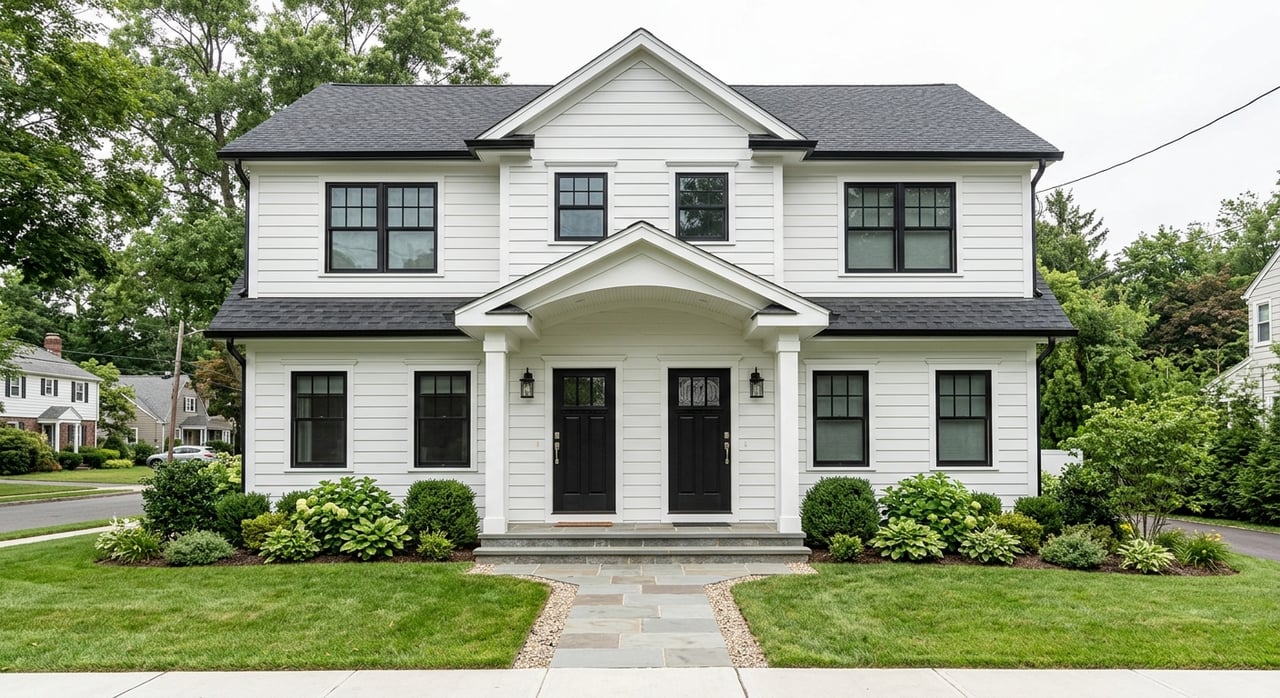
Selling a multi-family property in Clifton can be rewarding, but it usually takes more than a quick cleanup and a sign in the yard. Buyers in this market tend to focus on income, occupancy, compliance, and risk just as much as appearance. If you want a smoother sale and stronger offers, it helps to prepare early and organize the details that matter most. Let’s dive in.
Understand the Clifton buyer mindset
When you sell a multi-family property, you are not just selling square footage. You are also selling an income stream, a set of leases, and a property’s day-to-day operating story.
That matters in Clifton, where the market has stayed active. Redfin reported a median sale price of $622,179 in the three months ending April 2026, with about 45 days on market and roughly three offers on average. Zillow also showed Clifton home values trending up year over year and active duplex and triplex inventory, which suggests buyers are watching this segment closely.
In practical terms, many small multi-family buyers will look first at current rents, occupancy, lease terms, and property condition. With Clifton and Passaic County both showing meaningful rental presence, in-place income can carry a lot of weight in how buyers compare one property to another.
Why income matters so much
Investor-minded buyers usually review the numbers before they get excited about finishes. They want to know what the property earns now, how stable the leases are, and whether there are compliance issues that could slow closing or create future costs.
That means your preparation should go beyond paint touch-ups. A clean, well-documented building often feels less risky, and lower perceived risk can help your property stand out.
Start with documents and compliance
One of the smartest ways to prepare is to build your sale file early. Buyers and lenders often want to review the business side of the property before they feel comfortable moving forward.
At a minimum, gather the core items that explain how the property operates today. If you wait until you are under contract, you may create delays that could have been avoided.
Key records to organize
Try to have these ready before listing:
- Current lease copies for each occupied unit
- A current rent roll
- Security deposit records
- Recent operating and maintenance information
- Utility responsibility details
- Records of known upgrades or repairs
- Any inspection or certificate records already on hand
Freddie Mac small-balance guidance calls for a rent roll dated within 45 calendar days of the inspection request, plus an updated rent roll within seven business days of the inspection. Fannie Mae multifamily review materials also emphasize income, legal compliance, inspections, reserves, insurance, and environmental information.
For you, the takeaway is simple. Clean records help buyers verify income faster and can make the underwriting process feel more straightforward.
Address Clifton inspection requirements early
In Clifton, inspection timing is not something to leave for the last minute. The city’s Dwelling Application Packet states that sellers should check for open permits with the Building Department, bring a stamped application, payment, and the sales contract, and schedule an inspection before closing.
The same packet also states that no closing shall take place without a valid Certificate of Inspection. It notes that certificates are contingent on passing the Building, Tax, and Zoning departments, that sale certificates cost $125 per unit, and that certificates expire six months after the fire department inspection.
What this means for your timeline
If your building has open permits or unresolved issues, deal with them early. Waiting until you accept an offer can put pressure on your closing calendar and create avoidable stress.
A practical pre-listing checklist includes:
- Check for open permits with the city
- Confirm what inspections will be required
- Budget for certificate costs by unit
- Review whether prior work was properly documented
- Schedule enough lead time before your target closing
This is one area where early planning can directly protect your deal.
Confirm state inspection status for 3+ units
If your building has three or more units, do not stop with local paperwork alone. New Jersey’s Department of Community Affairs says its Bureau of Housing Inspection is responsible for hotels and multiple-family buildings of three or more dwelling units.
That makes it important to confirm whether your registration or inspection status is current. If a buyer discovers a gap late in the process, it can raise questions that affect confidence and timing.
Review tenant and lease details carefully
Tenant information is a major part of the value story for a Clifton multi-family property. Buyers want to know who is in place, when leases end, what rents are being collected, and whether there are any known issues tied to occupancy.
This is also where accuracy matters. If your listing presents one picture and the paperwork shows another, buyers may become more cautious.
Focus on lease stability
Before listing, review each unit and confirm:
- Current rent amount
- Lease start and end dates
- Whether the tenant is month-to-month
- Security deposit details
- Any concessions or side agreements
- Responsibility for utilities
A clear lease summary helps buyers understand income durability. It also helps your agent market the property in a way that matches the real facts on the ground.
Know how Clifton rent control may apply
If your property falls under Clifton’s rent-control rules, that can affect how buyers view future income growth. The ordinance defines a multiple dwelling unit as any building containing seven or more dwelling units, and it also says some four-, five-, and six-family properties already subject to the chapter remain covered until vacancy.
The ordinance limits increases to once every 12 months and generally caps them at 3% with heat and or air conditioning, or 2% without. Duplexes are generally outside this chapter, but sellers should verify the exact unit count and whether any legacy coverage applies.
Why this matters to buyers
A buyer underwriting future returns will want to know whether rents can move freely or under a cap. That does not make a regulated property unsellable, but it does mean transparency is important.
If rent-control rules apply, your sale package should clearly reflect that. Clean disclosure up front can reduce renegotiation later.
Prepare lead documentation for older properties
Lead-based paint rules can be especially important if your property was built before 1978. Federal law requires sellers of most pre-1978 housing to disclose known lead-based paint information, provide the EPA and HUD pamphlet, include a lead warning statement, and give buyers a 10-day opportunity to inspect for lead-based paint hazards.
Clifton adds another layer for certain rental properties. The city states that certain single-family, two-family, and multiple rental dwellings must be inspected every three years or upon tenant turnover when there is no valid lead-safe certification, and that owners must report tenant turnover.
What to gather before listing
If lead rules may apply, organize:
- Any lead-safe certifications
- Records of prior lead inspections
- Tenant turnover reporting records, if applicable
- The city guidance document required during a sale
Clifton also states that during a sale, owners must provide prospective buyers with the applicable rule, any lead-safe certifications, and the city’s guidance document. Lead-safe certificates are valid for two years.
Be ready for flood disclosures
Flood questions are no longer something to answer casually near the end of a transaction. In New Jersey, the state flood-disclosure law applies to sales beginning March 20, 2024.
Sellers must disclose whether the property is in FEMA’s Special Flood Hazard Area or Moderate Flood Hazard Area and any actual knowledge of flood risk before the purchaser becomes obligated under the contract.
Why early disclosure helps
Buyers may be evaluating insurance costs, financing, and future resale risk. If you can answer flood questions clearly and early, you reduce uncertainty.
That does not mean every property with flood considerations will struggle to sell. It means buyers prefer clarity, and clarity supports trust.
Improve condition without over-improving
Many sellers ask whether they should fully renovate before listing. In a small multi-family sale, the better approach is often to focus first on issues that reduce risk or distract buyers from the income story.
Common areas, exterior presentation, and visible deferred maintenance can shape first impressions fast. A buyer may forgive dated finishes more easily than unclear maintenance or obvious safety concerns.
Prioritize practical prep
Focus your efforts on:
- Clean common areas and entry points
- Basic exterior cleanup
- Obvious repair items
- Working smoke and carbon monoxide systems
- Neat mechanical and storage areas
- Clear access for showings and inspections
This approach aligns with what many buyers and lenders care about most. They want to see a property that has been maintained and documented, not one filled with surprises.
Build a stronger Clifton marketing package
In an active market, buyers often compare properties quickly. Your marketing materials should help them understand the value of your building without digging through scattered paperwork.
A strong multi-family listing package in Clifton should highlight the facts that drive decision-making. That includes the basics, but it also includes the items that reduce uncertainty.
Include the details buyers want
Your package should clearly present:
- Unit count
- Current rents
- Lease expiration dates
- Occupancy status
- Known upgrades
- Inspection or certificate status
- Any rent-control considerations
- Lead-related documents, if applicable
- Flood disclosure information, if applicable
This is where polished presentation can help. Strong visuals, a clean summary of the income story, and organized disclosures can make it easier for buyers to act with confidence.
Estimate your net proceeds early
A good sale is not just about the price you accept. It is also about what you keep after fees, closing costs, and any pre-sale work.
In New Jersey, sellers generally pay a Realty Transfer Fee on most deed transfers unless an exemption applies. State guidance also says transfers over $1 million are subject to a graduated percent fee ranging from 1% to 3.5% depending on price.
Why this should be part of planning
For higher-value multi-family properties, that cost can materially affect your net proceeds. If you model it early, you can price and negotiate with a clearer picture of your bottom line.
This is especially helpful if you are comparing whether to sell as-is, complete repairs first, or time the sale around lease changes and certificate deadlines.
A smart pre-listing plan pays off
Preparing to sell a multi-family property in Clifton is really about reducing friction. When you clean up permits, organize leases, confirm inspection status, and prepare lead and flood disclosures early, you make it easier for buyers to say yes.
You also put yourself in a better position to protect value during negotiations. In a market where buyers are comparing income, compliance, and condition side by side, better preparation can give your property a real edge.
If you are thinking about selling and want a clear plan for pricing, presentation, and pre-listing prep, Nicholas Salemme can help you navigate the process with local insight and polished marketing support.
FAQs
What should you do first when selling a multi-family property in Clifton?
- Start by gathering leases, a current rent roll, and maintenance records, then check for open permits and local inspection requirements so you can address issues before going under contract.
Does Clifton require an inspection before a multi-family sale closes?
- Yes. Clifton’s dwelling sale process states that no closing shall take place without a valid Certificate of Inspection, and the certificate depends on approvals from the Building, Tax, and Zoning departments.
Do Clifton multi-family sellers need to disclose lead-based paint information?
- If the property is covered by federal lead rules, yes. Sellers of most pre-1978 housing must disclose known lead-based paint information and provide the required documentation, and Clifton may also require lead-safe records for certain rental properties.
Does flood disclosure apply when selling property in Clifton, NJ?
- Yes. New Jersey requires sellers to disclose whether a property is in a Special Flood Hazard Area or Moderate Flood Hazard Area and any actual knowledge of flood risk before the buyer becomes obligated under the contract.
How do buyers value a small multi-family property in Clifton?
- Many buyers look closely at current rents, occupancy, lease stability, compliance records, inspection status, and visible maintenance because these factors affect income reliability and closing risk.
Does rent control affect every multi-family property in Clifton?
- No. Clifton’s rent-control rules generally apply to buildings with seven or more dwelling units, though some four-, five-, and six-family properties may remain covered under prior status until vacancy, so the exact property history matters.